
Home / Non-Surgical Procedures / RF Microneedling
What is RF Microneedling?
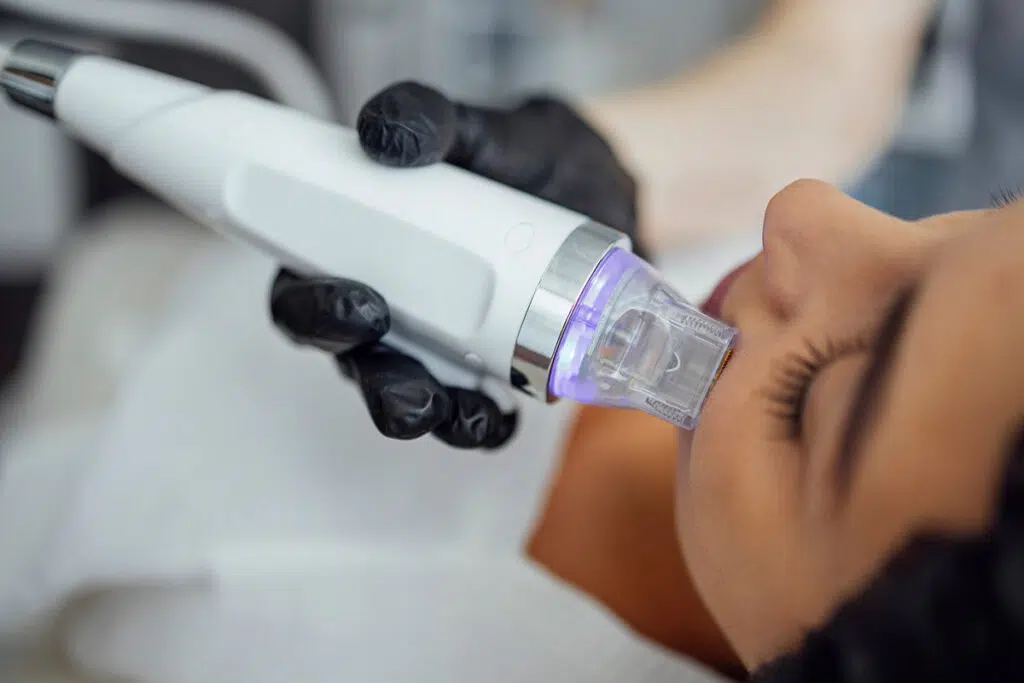
RF microneedling is a minimally invasive skin procedure that combines microneedles and heat to encourage skin improvements. The microneedles are tiny and create a series of microinjuries to the skin, stimulating the body’s healing powers and collagen production. The skin is also targeted with RF (radiofrequency) energy that produces heat, which shrinks existing collagen fibers for a tightening effect and encourages new collagen production. RF microneedling is very similar to traditional microneedling treatments but adds an RF component to give the procedure a boost.
How Does RF Microneedling Improve the Skin?
There is plenty of scientific literature to support the effectiveness of RF microneedling for facial rejuvenation. It’s been shown to be an effective treatment for many skin issues, including:
- Fine lines
- Enlarged pores
- Acne scars
- Uneven skin texture
- Mild skin laxity
RF microneedling works, but it’s not right for everyone. The results of this procedure aren’t immediate — the skin improves gradually after treatment. And although RF microneedling is effective, it won’t give you the same results as a surgical facelift. It can help with minor issues, but don’t expect it to repair deep wrinkles or tighten very loose skin.
What to Expect During RF Microneedling at Mia Aesthetics Atlanta
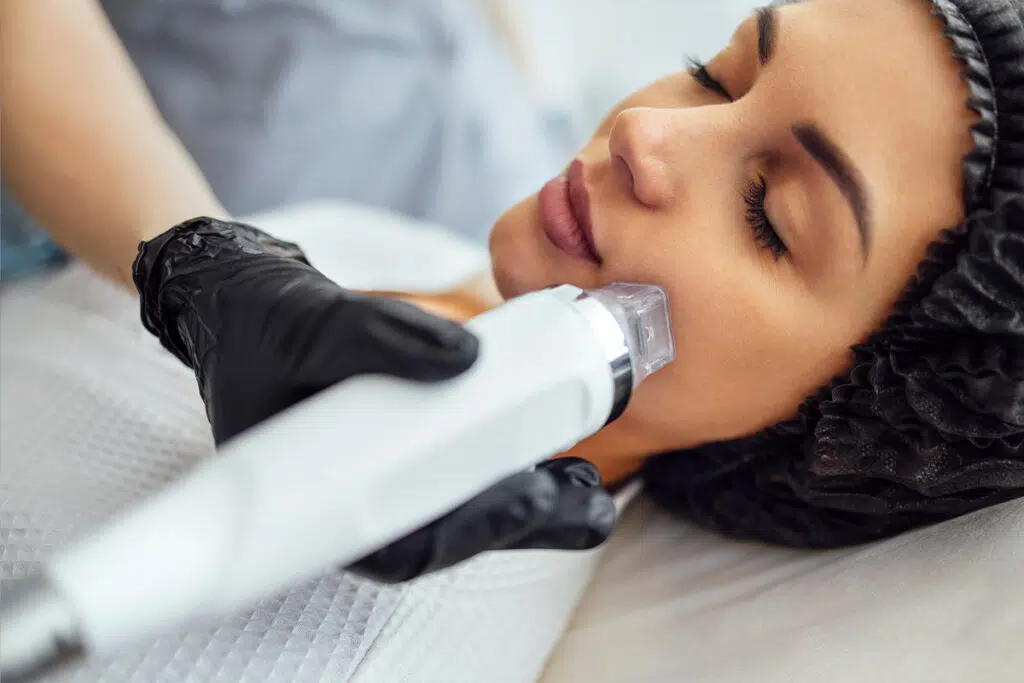
- We’ll apply a topical numbing medication before treatment to improve comfort.
- A new, sterile RF microneedling headpiece will be systematically passed across the treatment area.
- As the tiny microneedles enter the skin, they deliver controlled RF energy bursts at selected depths.
RF Microneedling Recovery
RF microneedling doesn’t require a lot of downtime like surgery does, but you will have a brief recovery period. For the first 24 to 48 hours after a session, your skin may appear red and swollen. Most people are ready to make a public appearance about two days after a treatment session, but you’re not going to want to have the procedure the week of your wedding or other big social events. Common side effects of treatment include:
- Redness
- Mild swelling
- Tenderness or sensitivity
- Dryness or flaking
- Itching or temporary tightness
- Possible temporary pinpoint marks from treatment
RF Microneedling Results
We are always asked if RF microneedling works, and the answer is yes — if you use it to target the right issues and are OK with a gradual improvement. You may notice some improvement in your skin in the days following treatment because the RF energy shrinks existing collagen and tightens the skin. But your skin will continue to improve as it heals from the microinjuries and more collagen is produced. This process takes weeks to months. Potential skin improvements include:
- Smoother texture
- Softer fine lines
- Improved appearance of acne scars
- Modest improvement in skin firmness or tightness
RF microneedling offers modest tightening and correction for appropriately selected patients, but it’s not a magical, nonsurgical facelift. Always be skeptical of clinics and practitioners who frame it as such.
RF Microneedling Starting at $1,000
The price of RF microneedling treatment varies based on your specific needs and skin conditions. Sometimes skin improvement requires only a single treatment, but many patients benefit from multiple sessions. Dr. Bennett will recommend a treatment schedule for you based on healing, treatment intensity, your skin, and any other relevant factors.
RF Microneedling Risks and Complications
When working with an experienced and skilled plastic surgeon like Dr. Bennett, the risks of RF microneedling complications are minimal. But there are still risks, and it’s important that you understand them. These are risks and not expected outcomes: The chance of these complications occurring is low but never zero. Potential complications of RF microneedling include:
- Burns
- Scarring
- Facial fat loss
- Disfigurement
- Nerve damage
Minimizing the risk of these complications requires patients to undergo evaluation and treatment by a trained health professional like Dr. Bennett. The amount of RF energy, treatment depth, anatomical location, device parameters, and technique all matter. We hope you’ll choose Mia Aesthetics for your treatments, but if you do go elsewhere, please make sure your provider is properly trained and has experience with the procedure. Your safety is always our top priority.
Frequently Asked Questions
Studies confirm that RF microneedling is generally safe for darker skin types, including Fitzpatrick types III through V. The procedure delivers treatment beneath the epidermis, bypassing this melanin-rich layer of skin. Pigment changes are a rare but possible complication, however, so your skin tone may impact treatment planning and aftercare.
Dr. Bennett will evaluate your skin to determine if active acne will impact your treatment. Active inflammatory acne, open wounds, and infections may all need to heal before your RF microneedling treatment.
RF microneedling after Botox and fillers is possible, but it depends on where and when the injectable was placed. Timing is critical, so be sure to tell Dr. Bennett if you have had these procedures. You need to wait at least two weeks and sometimes longer before following up injectable treatments with RF microneedling.
Yes, it can. Although not common, RF microneedling can create dermal fibrosis (skin hardening), adhesions, and tissue-plane changes that may impact facelift surgery. These treatments aren’t likely to prevent a future facelift, but they could impact your plastic surgeon’s approach and surgical plan. Note that long-term studies on this topic are ongoing and currently in short supply.
Dr. Bennett will tell you how to prepare for your appointment based on your current medications, skin products, recent procedures, active skin conditions, and medical history. She may ask you to discontinue certain medications or skincare products prior to your appointment.
Because treatment intensity varies, patients may resume wearing makeup on different timelines. Dr. Bennett will give you specific post-treatment care instructions based on your procedure. Waiting 24 to 72 hours is common but not universal.
RF microneedling can benefit many people, but it isn’t a good fit for everyone. Active skin conditions, impaired healing, pregnancy, bleeding issues, implanted devices, and other concerns may impact your candidacy altogether or impact the timing of your treatment. We’ll evaluate your skin and take a detailed medical history prior to treatment. If we determine that RF microneedling isn’t safe for you, we’ll tell you that and explain why.
We also discourage patients who have unrealistic treatment expectations from undergoing RF microneedling. If you’re looking for a bit of a pick-me-up for early signs of aging, acne scars, or other mild conditions, this treatment may benefit you. But RF microneedling is not a substitute for a surgical facelift and won’t correct very loose or excess skin.